Guide 01
What is strength training?
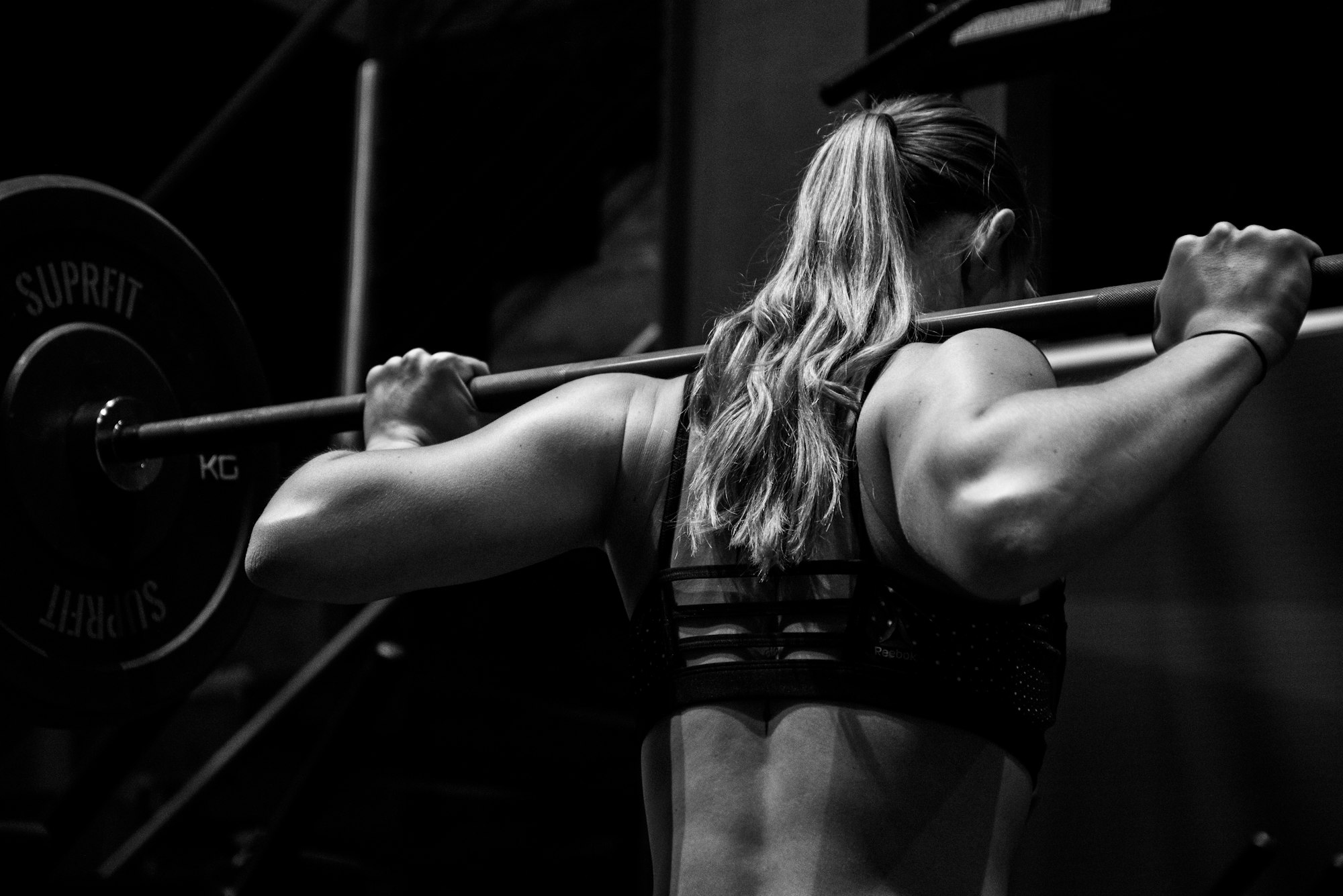
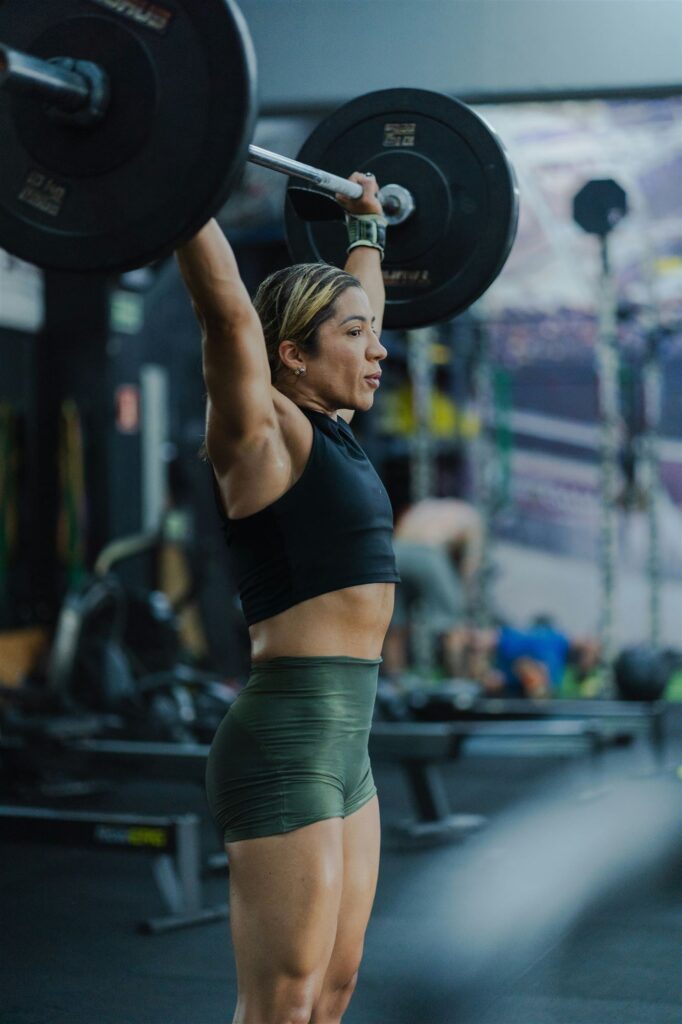
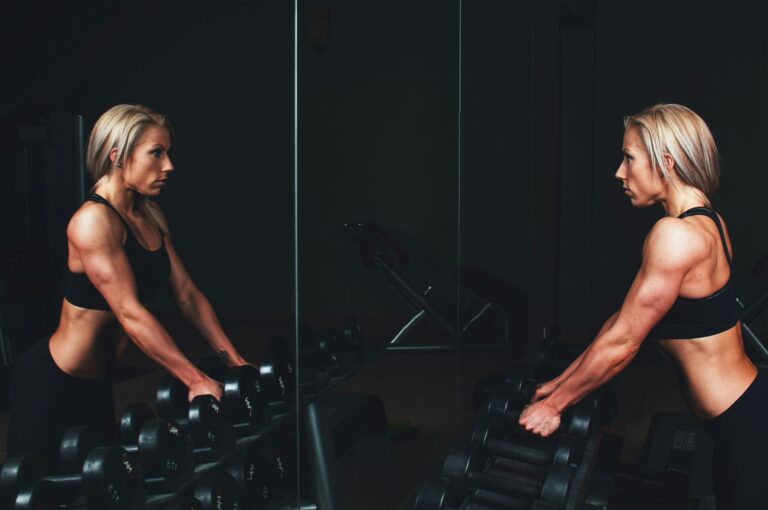
Strength training (also called resistance training) means making your muscles work against a load.
That load can be your own bodyweight, resistance bands, dumbbells, kettlebells, barbells or machines. Do it regularly and your muscles, bones and confidence all get stronger.
The big question
Is it safe for kids and teens?
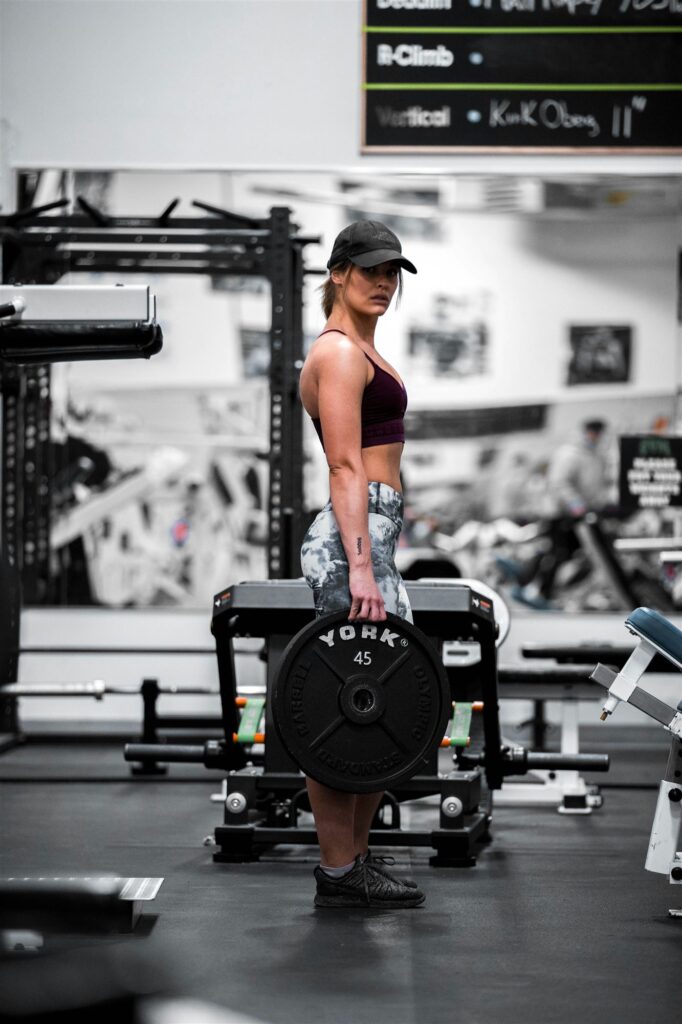
Yes, when it’s well coached. Organisations such as the American Academy of Pediatrics and the Australian Strength and Conditioning Association support resistance training for children and teens when it’s properly supervised, technique comes first and the load increases gradually.
The old myth that lifting weights stunts growth isn’t supported by the research. Injuries in supervised youth strength training are uncommon, and most happen through poor technique, too much weight or messing around with equipment.
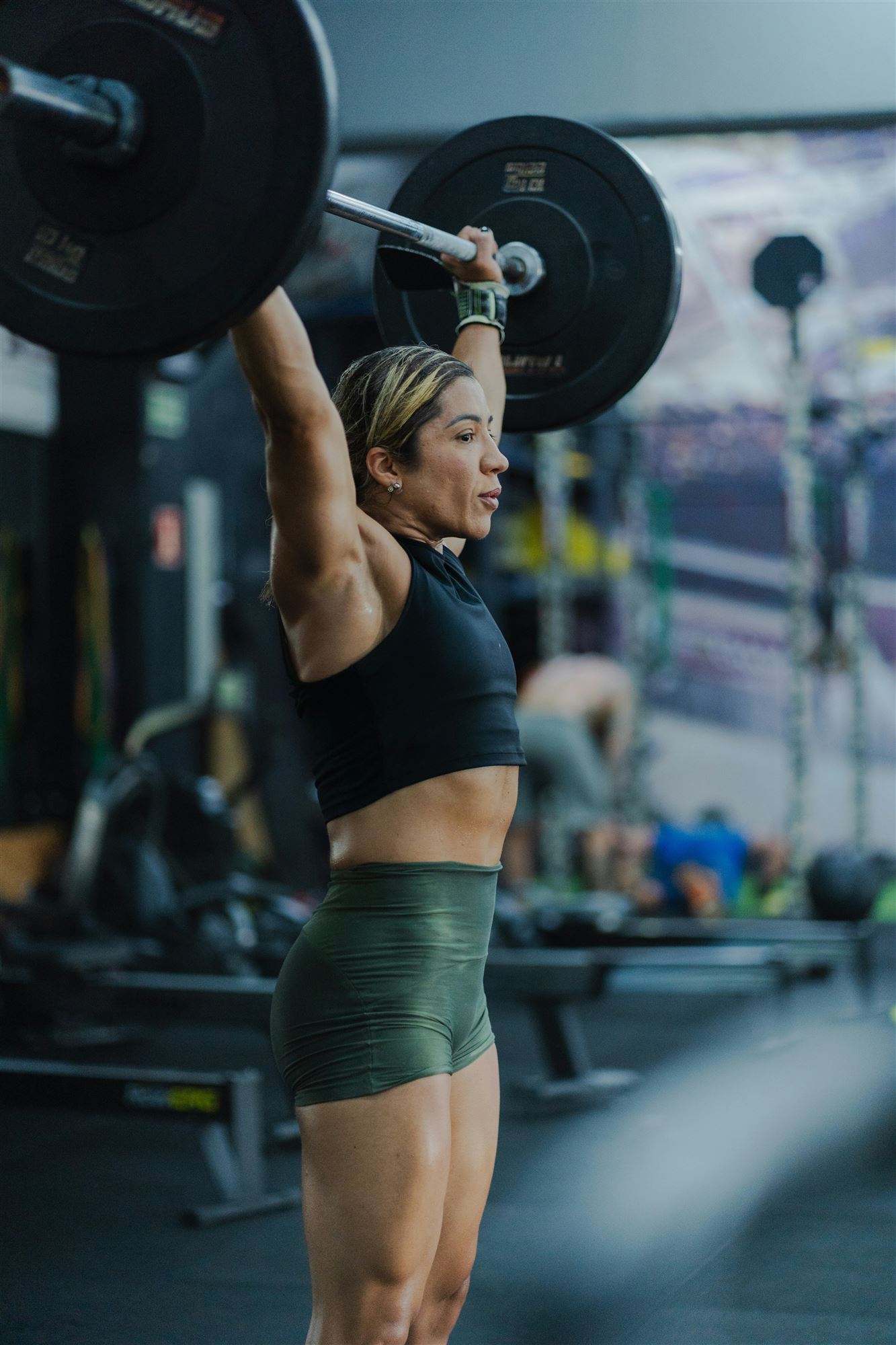
“You don’t need to be strong to start. You start, then you get strong.”
The payoff
Why it’s worth it
- Stronger bones. The teenage years are a key time for building bone, and loading your body helps.
- Fewer injuries. Strong muscles help protect joints, including knees, in netball, soccer and basketball.
- Better performance. Run faster, jump higher, throw further and last longer.
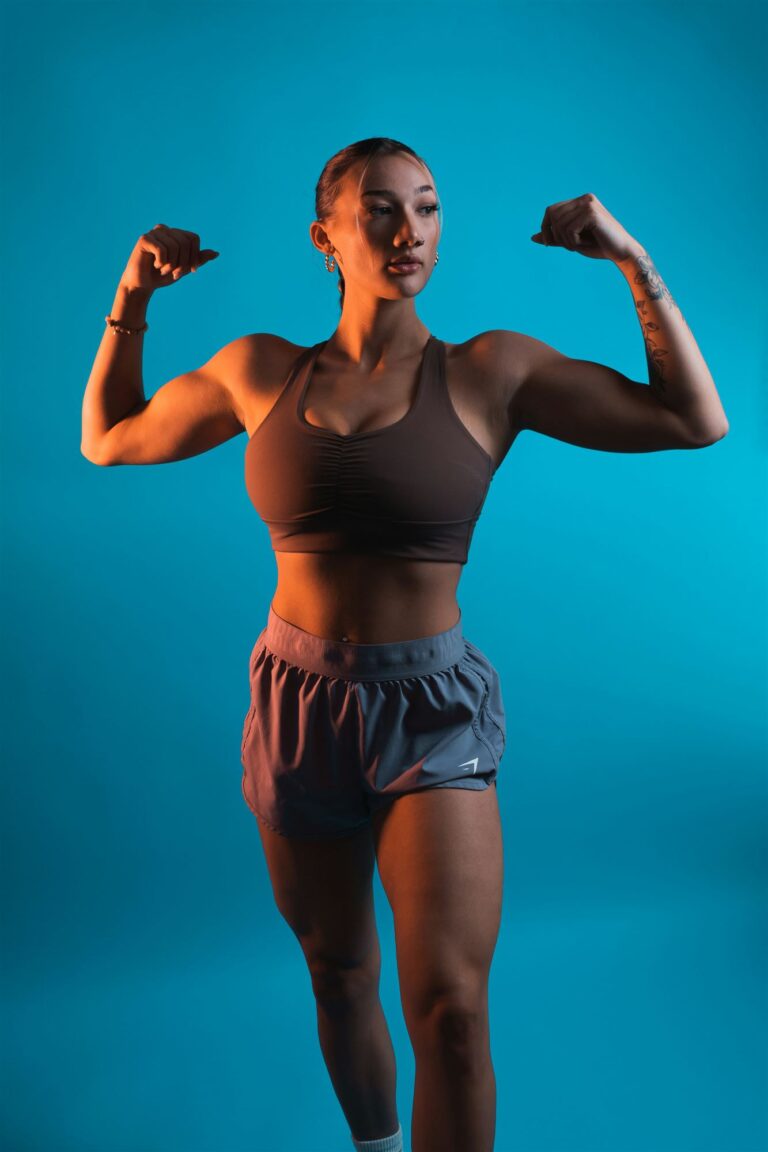
- Confidence. Getting stronger is something you can see and feel, week by week.
- Strong for life. Muscle and bone strength help you stay active as you get older.
How much?
The guidelines
60
minutes of moderate to vigorous activity every day for young people aged 5–17
3
days a week of activities that strengthen muscle and bone, for ages 5–17
2
days a week of muscle-strengthening activity, for adults
Source: Australia’s Physical Activity and Exercise Guidelines.
Start here
The moves to learn first
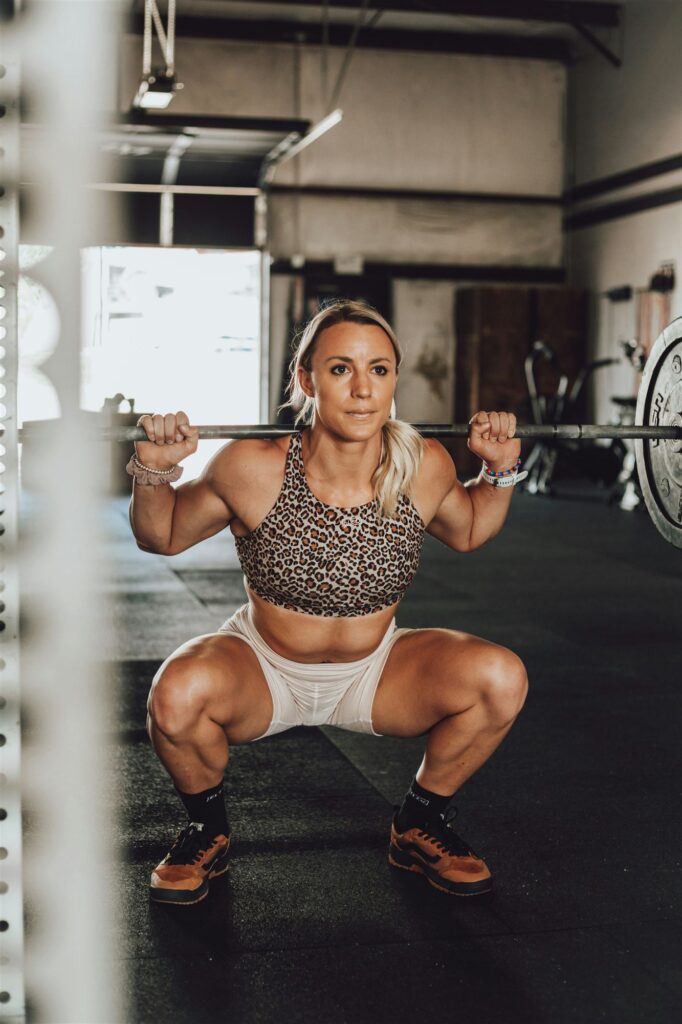
Almost every program is built from six basic movements. Learn them light, or with just your bodyweight, before adding weight.
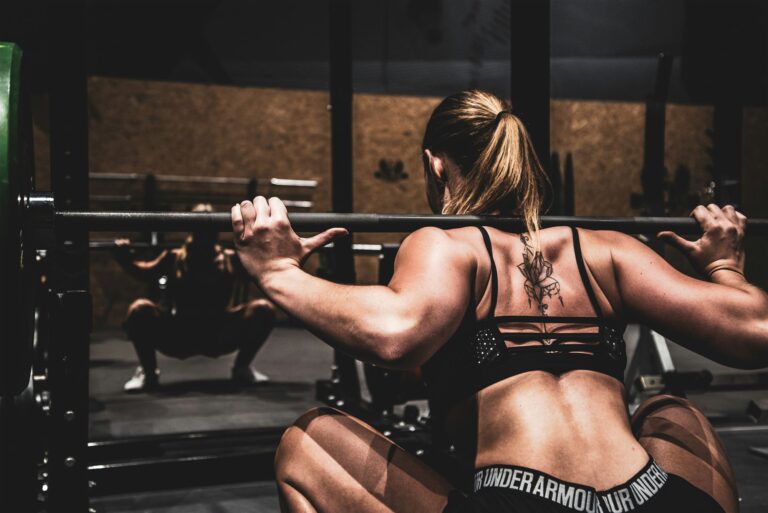
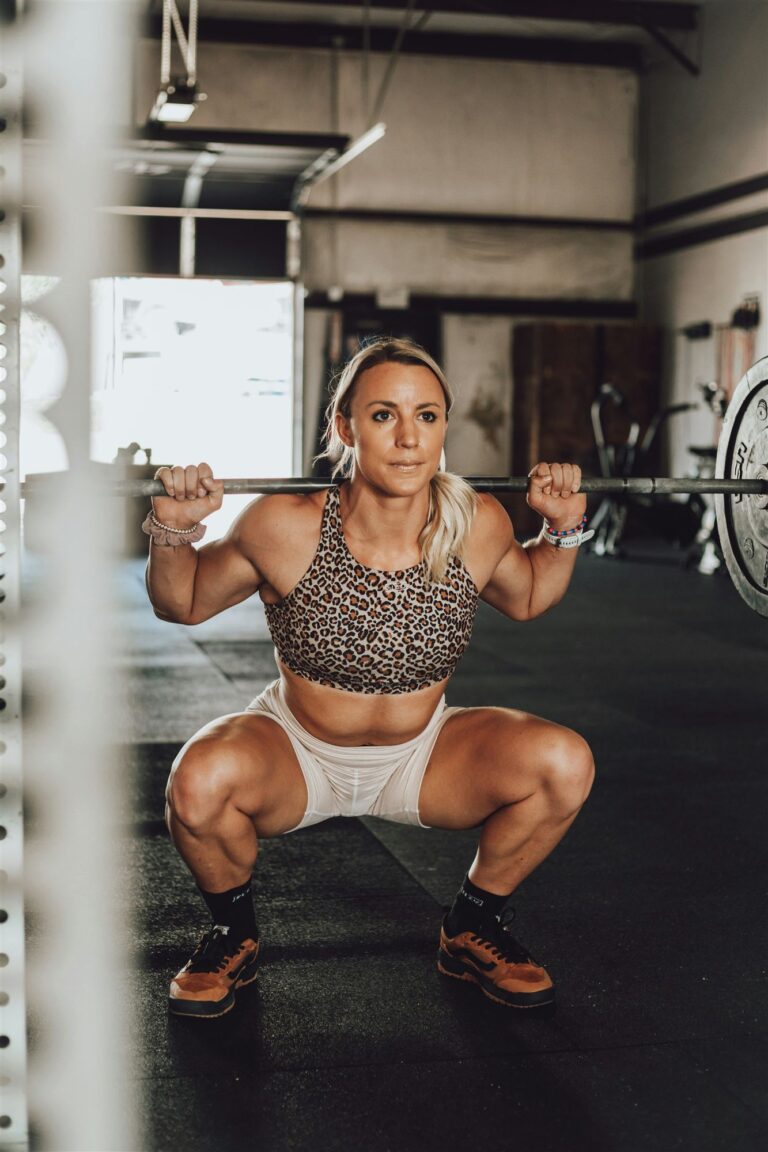
- Squat. Goblet squats and box squats.
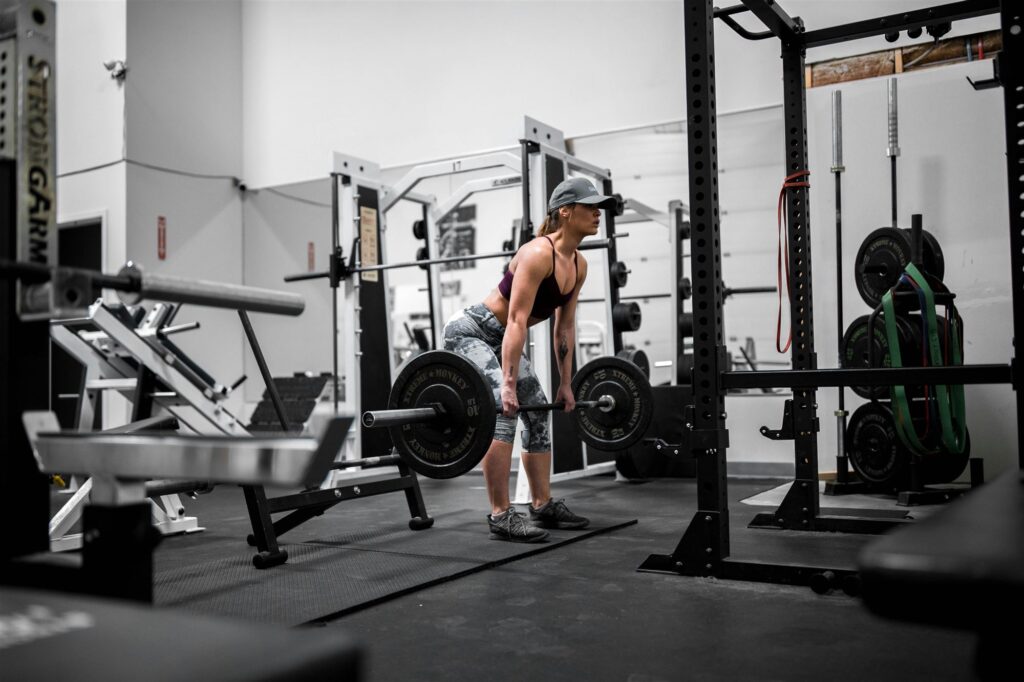
- Hinge. Deadlifts and glute bridges.
- Push. Push-ups and overhead presses.
- Pull. Rows and assisted chin-ups.
- Lunge. Split squats and step-ups.
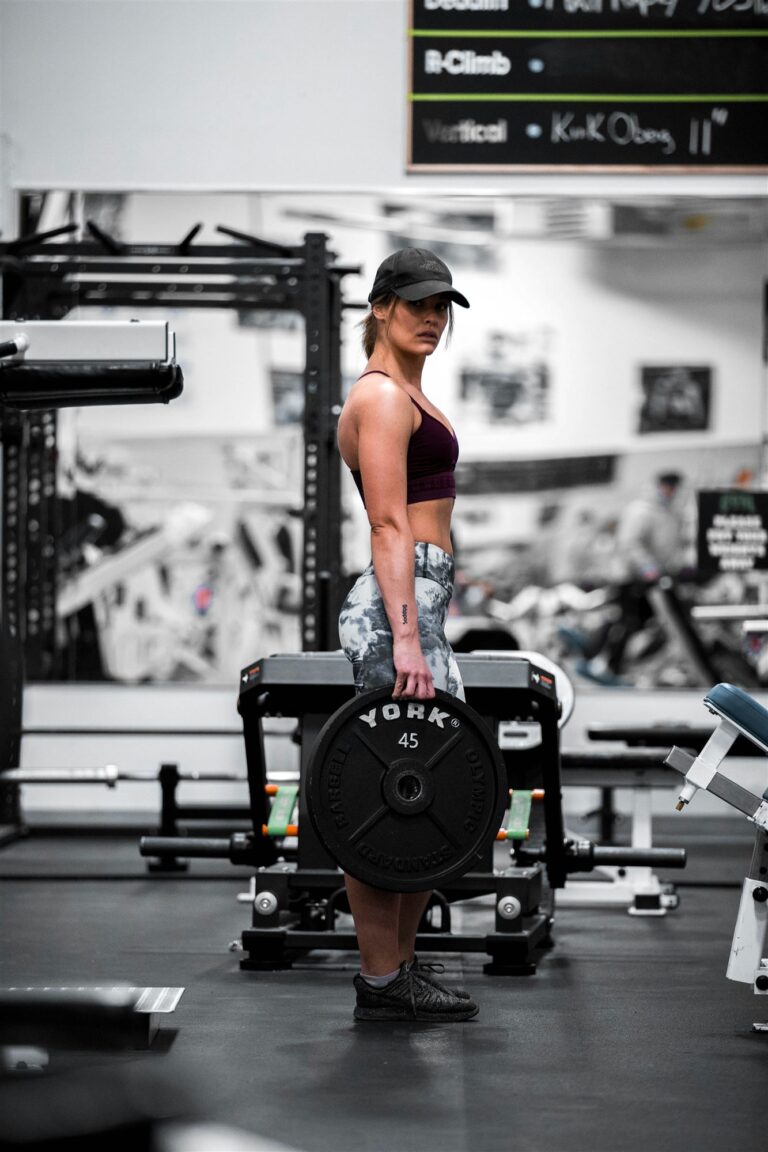
- Carry. Pick up something heavy and walk tall.
Getting started
Start safely
- Find a qualified coach, or a school or club program, to teach you good technique.
- Technique before weight, every time. Add load slowly.
- Warm up first. Sore muscles the next day are normal; sharp pain is not.
- Two or three sessions a week is plenty to start with.
- Rest, sleep and eating enough are part of training, not extras.
Parents and coaches
“Good form. Lots of fun. Not max lifts.”
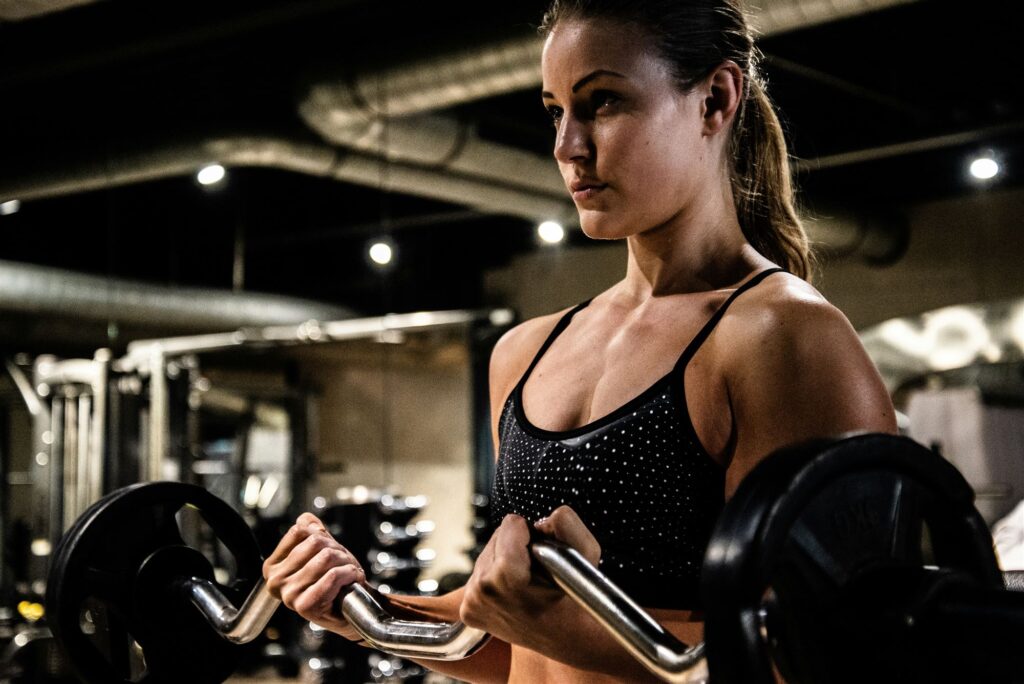
Look for youth programs run by accredited strength and conditioning coaches or exercise professionals who focus on movement quality and variety.
General information only, not medical advice. Talk to a doctor, physio or qualified coach about your own situation.
Apparel store · Coming soon
The Moxie store
We’re designing our own range of quality, comfortable activewear for active mums and daughters. Not our logo printed on imported, off-the-shelf apparel: gear we design and have made, to train in, play in and live in.
The range is in the design stage now. Join the Moxie Crew and we’ll let you know when we’re about to launch.
Keep learning
Read next
Body
Body composition, explained
What body composition really means, why the scales and adult BMI don't tell the whole story for girls,…
Mind
Body image toolkit
Practical habits to build a healthy body image, why social media isn't real life, tips for parents and…
Sport
Find your sport
How girls can find a sport they love: try lots of things, team or solo options, beating first-session…
Be first in the first drop.
Our apparel range is in the design stage. Join the Moxie Crew and we’ll let you know when we’re about to launch, with 48-hour early access, a launch-only discount and new training guides. Usually once a month.
Under 16? A parent or guardian can join using their own email. Read our privacy policy.