Guide 02
What is body composition?
Your body is made up of fat mass and lean mass: muscle, bone, organs and water. Body composition just describes the mix.
Every healthy body needs all of it, including fat, which is essential for hormones, energy and growth.
“Your weight is a number. It’s not your worth.”
Myth-busting
Why the scales don’t tell the whole story
- Weight goes up and down. It changes during the day with food, water and your cycle.
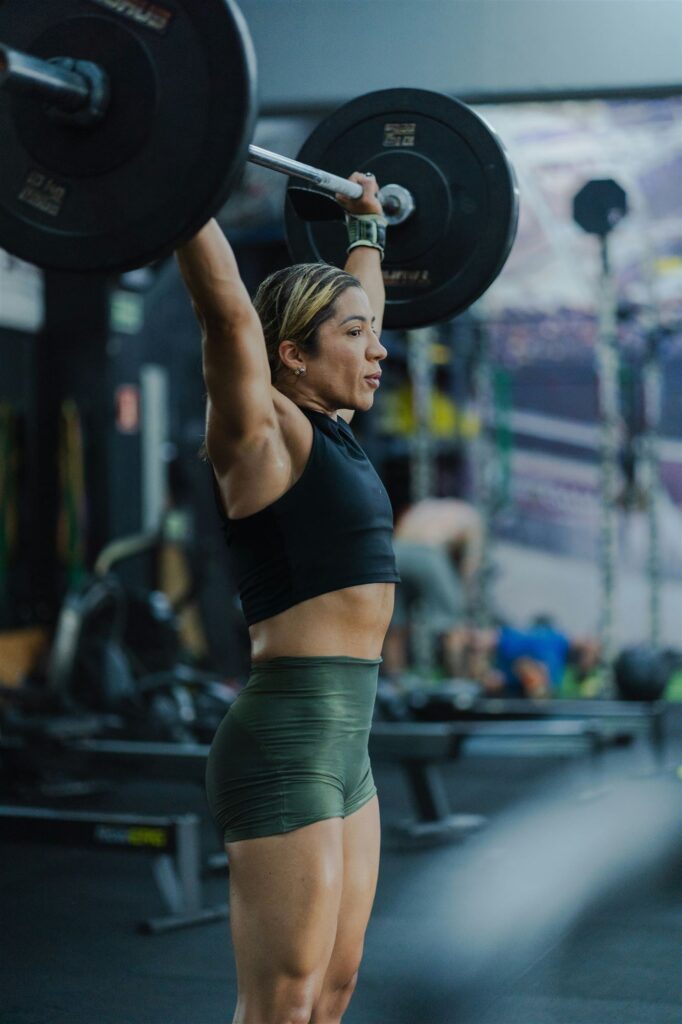
- Muscle is dense. A strong, healthy athlete can weigh more than you’d expect.
- Adult BMI isn’t for kids. For kids and teens, doctors use growth charts that compare you with others your age and sex.
- Puberty is normal. Gaining weight and some body fat while you grow is healthy.
How it’s measured
Measuring body composition
Skinfold calipers
Measure the thickness of skin and fat at set points on the body to estimate body fat.
Bioimpedance scales
Send a tiny, painless electrical signal through the body to estimate fat and lean mass.
DEXA scans
A low-dose X-ray scan that estimates fat, lean mass and bone density.
Each method has a margin of error, and none of them measures your health, your fitness or your worth.
Track this instead
Better things to measure
For growing girls there’s usually no need to measure body fat at all. These tell you far more:
- How you feel and how well you sleep
- Your energy at training
- A stronger lift or a faster run
- A new skill you couldn’t do last month
Food is fuel
Fuel the work
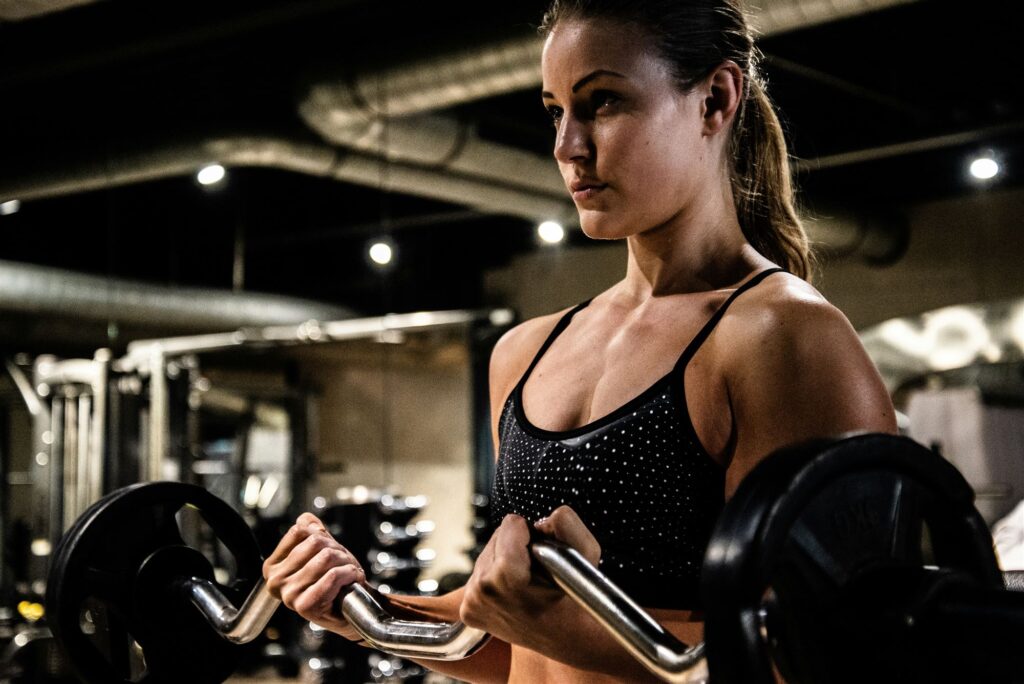
Active girls need plenty of energy. Not eating enough for your training can affect your periods, bones, mood and performance. Sports doctors call this RED-S (relative energy deficiency in sport).
- Eat regularly, especially around training.
- Mix it up: carbs for energy, protein for repair, calcium for strong bones.
- Missing periods is never a sign of being fit. It’s a sign to see a doctor.
Our promise
“No diets for growing girls. Ever.”
If you want help with eating for sport, an Accredited Practising Dietitian (APD) who works with athletes is the best person to ask. Worried about your eating? Talk to a trusted adult or call the Butterfly National Helpline on 1800 33 4673.
General information only, not medical advice. Talk to a doctor, physio or qualified coach about your own situation.
Apparel store · Coming soon
The Moxie store
We’re designing our own range of quality, comfortable activewear for active mums and daughters. Not our logo printed on imported, off-the-shelf apparel: gear we design and have made, to train in, play in and live in.
The range is in the design stage now. Join the Moxie Crew and we’ll let you know when we’re about to launch.
Keep learning
Read next
Mind
Body image toolkit
Practical habits to build a healthy body image, why social media isn't real life, tips for parents and…
Sport
Find your sport
How girls can find a sport they love: try lots of things, team or solo options, beating first-session…
Health
Vaping, smoking and drinking
The truth about vapes, cigarettes and alcohol for teens, how they affect your body, brain and training, and…
Be first in the first drop.
Our apparel range is in the design stage. Join the Moxie Crew and we’ll let you know when we’re about to launch, with 48-hour early access, a launch-only discount and new training guides. Usually once a month.
Under 16? A parent or guardian can join using their own email. Read our privacy policy.